Anxiety Counselling Germany: Professional Online Mental Health Support
Living in Germany can bring exciting opportunities, but it can also come with emotional challenges. Whether you are adapting to a new culture, balancing work responsibilities, pursuing higher education, or managing family life, anxiety can affect your overall well-being. Seeking professional Anxiety Counselling Germany services can help you understand your emotions, develop healthier coping strategies, and improve your quality of life.
If you’re looking for compassionate and culturally sensitive psychological support, explore our online counselling services designed to help individuals manage anxiety, stress, and emotional challenges from the comfort of their homes.
Professional anxiety counselling provides a safe, confidential, and supportive environment where you can discuss your concerns without judgment. With evidence-based therapeutic approaches, you can learn practical skills to manage anxiety and regain emotional balance.
What Is Anxiety?
Anxiety is a natural response to stress or uncertainty. Everyone experiences anxiety occasionally before important events such as examinations, interviews, presentations, or major life changes.
However, when anxiety becomes persistent, overwhelming, or begins interfering with daily life, it may require professional support.
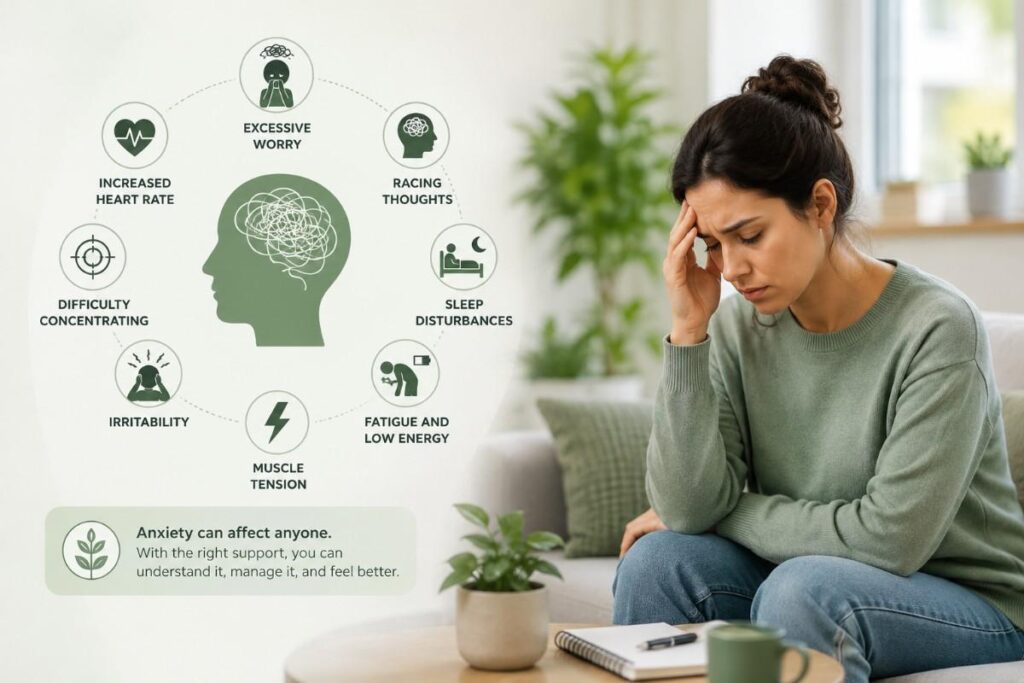
Common symptoms include:
- Excessive worrying
- Feeling restless
- Racing thoughts
- Difficulty concentrating
- Muscle tension
- Increased heart rate
- Sleep disturbances
- Irritability
- Feeling overwhelmed
- Avoiding certain situations
Early intervention through Anxiety Counselling Germany can help prevent anxiety from becoming more severe.

Common Causes of Anxiety
Anxiety can develop due to one or multiple factors.
Migration and Relocation
Moving to Germany often involves adapting to a new culture, language, and environment. These changes may create uncertainty and emotional stress.
Workplace Pressure
Professionals may experience anxiety due to:
- Heavy workloads
- Performance expectations
- Deadlines
- Career uncertainty
- Communication barriers
Academic Stress
Students often face anxiety related to:
- Exams
- Assignments
- Language adaptation
- Financial concerns
- Future career planning
Family Responsibilities
Managing responsibilities across countries, parenting, or caring for family members can contribute to ongoing emotional stress.
Relationship Challenges
Communication issues, marital conflicts, and adjusting to life changes may increase anxiety levels.
Health Concerns
Physical illnesses or uncertainty about personal or family health can also trigger anxiety.
Signs You May Benefit from Anxiety Counselling Germany
You may benefit from professional counselling if you experience:
- Constant worrying that is difficult to control
- Panic attacks
- Persistent nervousness
- Difficulty relaxing
- Sleep problems
- Fear of social situations
- Loss of confidence
- Difficulty making decisions
- Physical symptoms without a medical explanation
- Reduced performance at work or studies
Seeking support early often leads to better emotional outcomes.
Benefits of Anxiety Counselling Germany
Professional counselling offers more than symptom relief.
It helps individuals:
- Understand anxiety triggers
- Improve emotional regulation
- Develop healthier thinking patterns
- Learn practical coping techniques
- Improve confidence
- Strengthen relationships
- Build resilience
- Improve sleep quality
- Enhance overall well-being
Every therapy plan is personalized according to individual needs and goals.
How Anxiety Counselling Works
Therapy begins with understanding your concerns, experiences, and goals.
During counselling, your psychologist may help you:
Identify Anxiety Triggers
Recognizing situations, thoughts, or behaviors that contribute to anxiety is the first step toward effective management.
Understand Thought Patterns
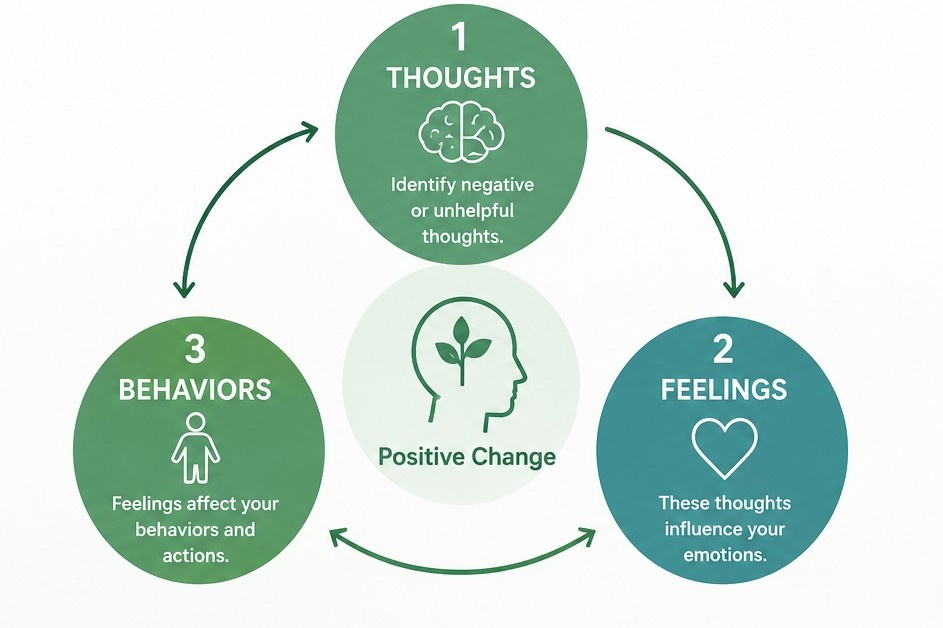
Many anxious thoughts become automatic. Therapy helps identify and challenge unhelpful thinking patterns.
Learn Healthy Coping Skills
You may learn techniques such as:
- Deep breathing
- Relaxation exercises
- Mindfulness practices
- Problem-solving strategies
- Stress management techniques
Build Emotional Resilience
Counselling focuses on strengthening your ability to handle future challenges with greater confidence and emotional balance.
Types of Anxiety Disorders
Professional assessment helps identify the nature of anxiety symptoms.
Common anxiety disorders include:
Generalized Anxiety Disorder (GAD)
Persistent and excessive worry about everyday situations.
Panic Disorder
Recurring panic attacks accompanied by intense physical symptoms.
Social Anxiety Disorder
Fear of social situations or being judged by others.
Specific Phobias
Intense fear of particular objects or situations.
Health Anxiety
Persistent worry about having a serious medical condition despite reassurance.
Evidence-Based Therapy Approaches
Professional psychologists use scientifically supported therapeutic methods.
Cognitive Behavioral Therapy (CBT)
CBT helps individuals identify negative thinking patterns and replace them with healthier responses.
It is considered one of the most effective approaches for anxiety management.
Mindfulness-Based Therapy
Mindfulness techniques help individuals remain present and reduce excessive worrying about the future.
Stress Management Training
Practical coping strategies improve emotional regulation and resilience.
Supportive Counselling
Supportive therapy provides a confidential space to discuss emotional challenges while developing effective coping mechanisms.
Who Can Benefit?
Anxiety counselling is suitable for:
- Students
- Working professionals
- Healthcare workers
- Parents
- Couples
- Adolescents
- Young adults
- Older adults
- Individuals adjusting to life in Germany
Online Anxiety Counselling Germany
Online counselling has made mental health support more accessible for individuals living across Germany. Whether you are in Berlin, Munich, Frankfurt, Hamburg, Cologne, or another city, online therapy allows you to connect with a qualified psychologist from a private and comfortable environment.
Benefits of online counselling include:
- Easy access from anywhere in Germany
- Flexible appointment scheduling
- Reduced travel time
- Confidential and secure sessions
- Consistent support even when relocating
- Comfortable environment for open communication
For many individuals, online counselling offers the same professional guidance as in-person therapy while providing greater convenience.
Why Choose Professional Anxiety Counselling Germany?
Professional counselling focuses on understanding the root causes of anxiety rather than simply managing its symptoms.
A qualified psychologist provides:
Personalized Care
Every individual experiences anxiety differently. Therapy is tailored to your unique concerns, experiences, and goals.
Evidence-Based Treatment
Professional psychologists use scientifically supported approaches such as Cognitive Behavioral Therapy (CBT), mindfulness-based interventions, and other evidence-based techniques.
Confidential Environment
Counselling sessions are conducted in a safe, respectful, and confidential setting where individuals can express themselves openly.
Long-Term Emotional Well-being
Therapy helps develop practical coping strategies that continue to benefit individuals long after counselling has ended.
Practical Tips to Manage Anxiety
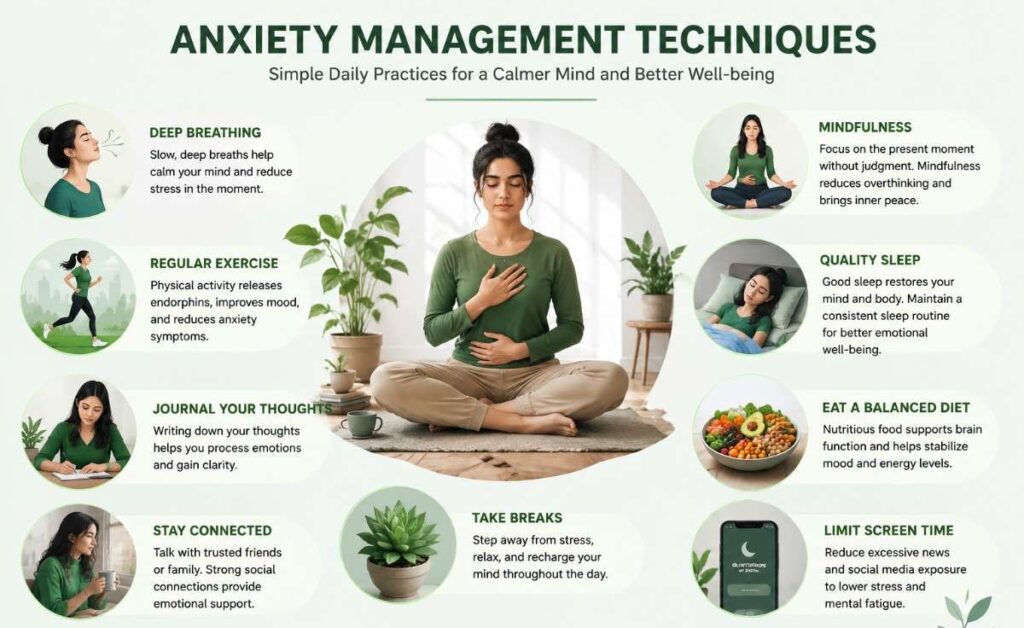
While professional counselling is valuable, incorporating healthy daily habits can also support emotional well-being.
Maintain a Daily Routine
A structured schedule helps reduce uncertainty and promotes stability.
Stay Physically Active
Regular physical activity can help reduce stress and improve mood.
Practice Deep Breathing
Simple breathing exercises may help calm the body’s stress response.
Get Adequate Sleep
Maintaining healthy sleep habits supports emotional regulation and overall mental health.
Limit Information Overload
Reducing excessive exposure to stressful news or social media may help decrease anxiety.
Stay Connected
Regular communication with trusted family members and friends can provide emotional support.
Practice Mindfulness
Mindfulness exercises encourage greater awareness of the present moment and may reduce excessive worrying.
Seek Professional Help Early
If anxiety persists or begins affecting your daily life, consulting a psychologist can help you develop effective coping strategies.
Conclusion
Managing anxiety is an important step toward improving your overall quality of life. Whether you are dealing with everyday stress, persistent worry, panic symptoms, or adjustment challenges, seeking Anxiety Counselling Germany can provide professional guidance and practical strategies to help you regain emotional balance. Early support can make a meaningful difference in building resilience, improving confidence, and enhancing long-term mental well-being.
For reliable information about anxiety and mental health, visit the World Health Organization Mental Health.