Kerala Psychologist in Germany: Compassionate Online Mental Health Support
Living in Germany while staying connected to your Kerala roots can be rewarding, but it can also bring unique emotional and psychological challenges. Adjusting to a new culture, language differences, work pressures, homesickness, relationship changes, and balancing two cultures can affect mental well-being. Speaking with a Kerala Psychologist in Germany who understands your language, culture, and values can make seeking professional support more comfortable and meaningful.
If you are looking for compassionate, evidence-based psychological care, explore the Kerala psychologist services available through online counselling and psychological support tailored to your needs. Accessing therapy in your preferred language helps create a safe environment where you can openly discuss your thoughts, emotions, and concerns.
Whether you are a student, working professional, parent, or family living in Germany, professional psychological support can help improve emotional resilience, coping skills, and overall quality of life.
Why Choose a Kerala Psychologist in Germany?
Finding the right psychologist involves more than qualifications alone. Cultural understanding plays an important role in therapy.
A Kerala Psychologist in Germany understands:
- Cultural expectations within Kerala families
- Emotional impact of migration
- Language preferences including Malayalam and English
- Challenges of adapting to German society
- Family relationships across countries
- Career-related stress among expatriates
- Identity conflicts experienced by second-generation immigrants
This combination of clinical expertise and cultural awareness often helps clients feel understood from the very first session.
Common Mental Health Challenges Faced by Malayalis in Germany
Relocating to another country involves significant life changes. Even positive changes can create emotional stress.
Homesickness
Missing family, festivals, food, traditions, and familiar surroundings may gradually affect emotional well-being. Homesickness can sometimes contribute to anxiety, sadness, or loneliness.
Cultural Adjustment
Adjusting to different workplace cultures, communication styles, social expectations, and daily routines may become overwhelming during the first few months or even years.
Common challenges include:
- Learning a new language
- Different social customs
- Work-life balance adjustments
- Building new friendships
- Feeling isolated
Lorem ipsum dolor sit amet, consectetur adipiscing elit. Ut elit tellus, luctus nec ullamcorper mattis, pulvinar dapibus leo.
Workplace Stress
Many Malayalis move to Germany for career opportunities in healthcare, engineering, IT, research, or higher education.
While these opportunities are rewarding, they may also bring:
- High workload
- Performance pressure
- Burnout
- Professional competition
- Communication barriers
- Work-related anxiety
Professional counselling helps individuals develop healthier coping strategies for these situations.
Relationship Difficulties
Living abroad often changes family dynamics.
Couples may experience:
- Communication problems
- Parenting differences
- Financial stress
- Long-distance family responsibilities
- Difficulty balancing careers and relationships
Relationship counselling provides a structured and supportive space to improve understanding and communication.
Anxiety
Anxiety is one of the most common reasons people seek therapy.
Symptoms may include:
- Constant worrying
- Racing thoughts
- Difficulty sleeping
- Restlessness
- Increased heart rate
- Difficulty concentrating
- Fear about the future
Evidence-based therapy helps identify anxiety triggers and teaches practical techniques to manage them effectively.
Depression
Depression affects emotional, physical, and social well-being.
Possible symptoms include:
- Persistent sadness
- Loss of interest
- Low motivation
- Fatigue
- Feelings of hopelessness
- Difficulty enjoying daily activities
- Social withdrawal
Seeking professional support early can improve recovery and emotional health.
Benefits of Choosing Online Counselling
Technology has made psychological care more accessible than ever.
For people living across Germany, online counselling offers several advantages.
Convenient Access
You can attend therapy sessions from:
- Home
- Office
- Student accommodation
- Any private location
There is no need for long-distance travel.
Flexible Scheduling
Many professionals have demanding work schedules.
Online appointments often provide greater flexibility, making it easier to maintain regular therapy sessions.
Comfortable Environment
Many people feel more relaxed discussing personal concerns from a familiar environment.
This comfort may improve openness during therapy.
Greater Privacy
Online counselling allows individuals to receive psychological support discreetly while maintaining confidentiality.
Continuity of Care
Even if you move to another German city or travel temporarily, online therapy allows you to continue your counselling sessions without interruption.
Who Can Benefit from a Kerala Psychologist in Germany?
Psychological support is suitable for people of different ages and life stages.
Individuals who may benefit include:
- University students
- Working professionals
- Healthcare workers
- Engineers
- IT professionals
- Researchers
- Parents
- Couples
- Adolescents
- Children
- Senior adults
Therapy is not only for mental illness—it also supports personal growth, emotional resilience, healthier relationships, and better stress management.
Anxiety and Stress Management
Evidence-based therapy helps clients:
- Understand anxiety patterns
- Learn relaxation techniques
- Improve emotional regulation
- Reduce excessive worrying
- Build healthier coping mechanisms
Depression Support
Therapeutic interventions help individuals:
- Identify negative thought patterns
- Improve motivation
- Develop healthy routines
- Strengthen emotional resilience
- Reconnect with meaningful activities
Child and Adolescent Counselling
Children and teenagers living in Germany may experience challenges related to:
- School adjustment
- Cultural identity
- Academic stress
- Emotional regulation
- Social relationships
- Behavioural concerns
Age-appropriate counselling helps children and adolescents develop healthy emotional and social skills.
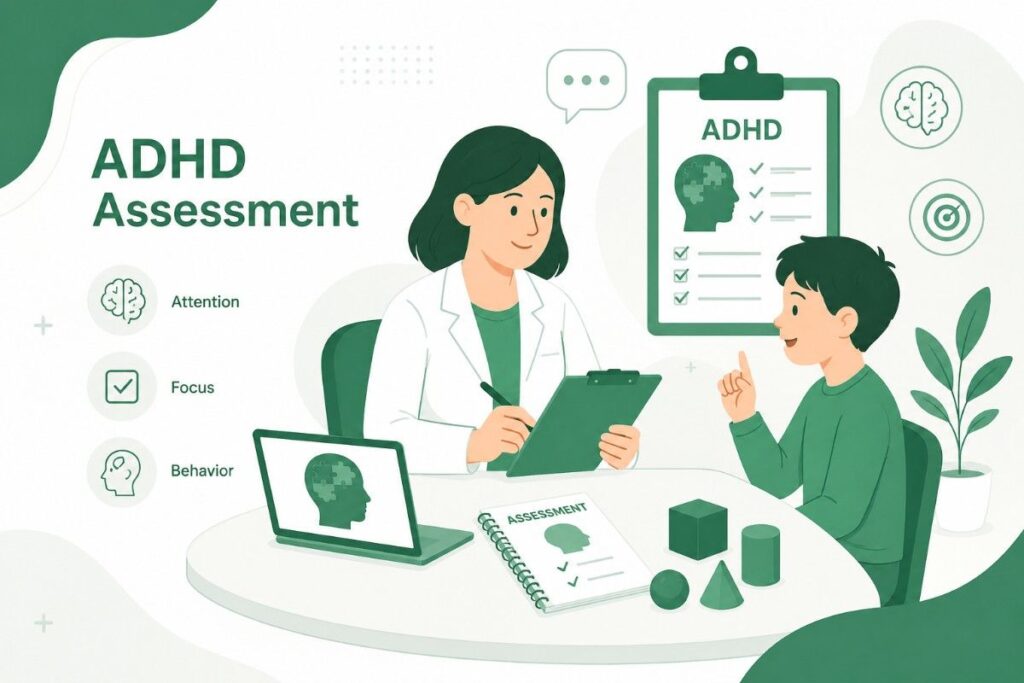
ADHD Assessment
Attention-Deficit/Hyperactivity Disorder (ADHD) can affect both children and adults. Many individuals may experience symptoms for years without realizing that professional assessment can provide valuable insights.
Common signs that may indicate the need for an ADHD assessment include:
- Difficulty maintaining attention
- Frequently forgetting daily tasks
- Poor time management
- Impulsivity
- Restlessness
- Challenges with organization
- Difficulty completing work or academic assignments
A comprehensive ADHD assessment involves clinical interviews, standardized psychological tools, and detailed history-taking to provide an accurate understanding of an individual’s strengths and challenges.
Autism Assessment
Autism Spectrum Disorder (ASD) presents differently in every individual. Early identification can help families and individuals access appropriate guidance and support.
An autism assessment may be recommended when someone experiences:
- Social communication difficulties
- Repetitive behaviors
- Restricted interests
- Sensory sensitivities
- Delayed language development
- Difficulty adapting to changes in routine
Professional autism assessments use evidence-based methods to understand developmental history, behavior, and communication patterns.

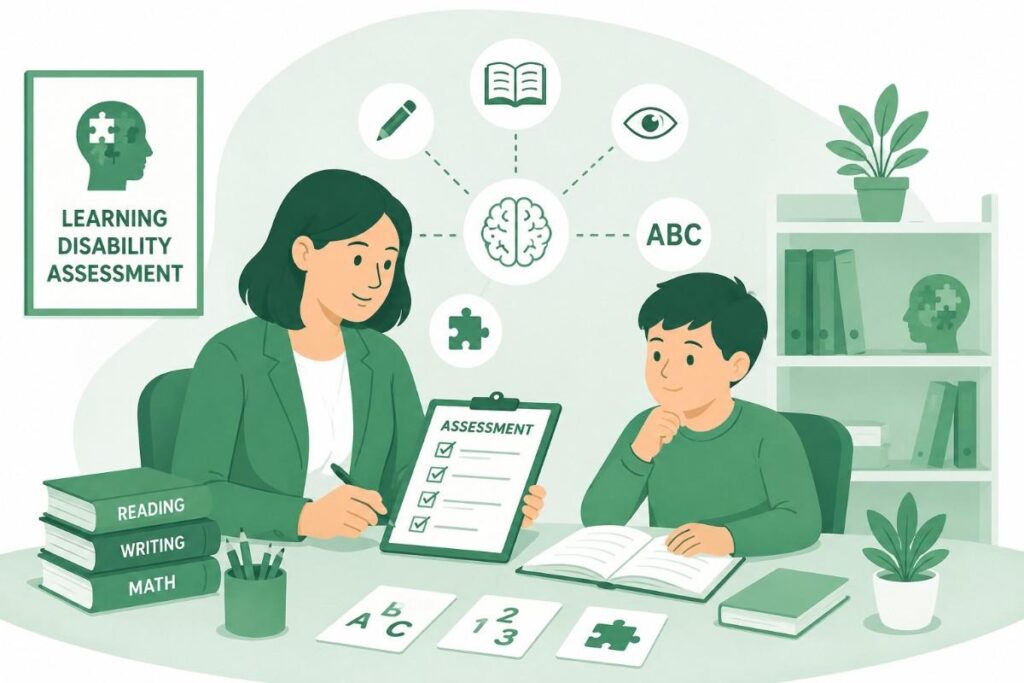
Learning Disability Assessment
Some children perform below expectations despite having normal intelligence and receiving adequate educational opportunities.
A learning disability assessment helps identify conditions such as:
- Dyslexia
- Dysgraphia
- Dyscalculia
- Processing difficulties
- Academic skill deficits
Assessment reports provide recommendations that can support educational planning and intervention strategies.
Psychological Testing
Psychological testing provides objective information about emotional, cognitive, and behavioral functioning.
Assessments may include:
- Intelligence testing
- Personality assessments
- Emotional functioning
- Cognitive abilities
- Memory evaluation
- Attention assessment
- Academic achievement testing
The results help guide diagnosis, treatment planning, educational recommendations, and personal development.

Evidence-Based Therapy Approaches
Professional psychologists use scientifically supported therapy methods tailored to each individual’s needs.
Common evidence-based approaches include:
Cognitive Behavioral Therapy (CBT)
CBT helps individuals recognize unhelpful thought patterns and replace them with healthier ways of thinking and responding.
It is widely used for:
- Anxiety
- Depression
- Stress
- Panic disorder
- Obsessive thoughts
Mindfulness-Based Interventions
Mindfulness techniques encourage greater awareness of thoughts and emotions without judgment.
Benefits may include:
- Reduced stress
- Improved emotional regulation
- Better concentration
- Enhanced overall well-being
Supportive Counselling
Supportive counselling provides a safe environment where individuals can openly discuss personal concerns while developing practical coping strategies.
Family-Centered Approaches
For children and adolescents, involving parents and caregivers often contributes to better long-term outcomes by strengthening communication and emotional support within the family.
How to Choose the Right Kerala Psychologist in Germany
Choosing the right psychologist is an important step in your mental health journey.
Consider the following factors:
Professional Qualifications
Choose a licensed psychologist with appropriate education and clinical training.
Experience
Look for experience in addressing concerns similar to yours, whether related to anxiety, depression, child psychology, relationship counselling, or psychological assessments.
Cultural Understanding
A psychologist who understands Kerala’s cultural background can better appreciate family values, communication styles, and migration-related experiences.
Language Comfort
Being able to communicate comfortably in Malayalam or English can make therapy sessions more natural and effective.
Confidentiality
Ensure that the psychologist follows professional ethical standards and maintains confidentiality throughout the counselling process.
Evidence-Based Care
Choose professionals who use scientifically validated therapeutic approaches rather than unsupported methods.
Tips for Maintaining Good Mental Health While Living in Germany
Mental well-being can be strengthened through healthy daily habits.
Helpful practices include:
- Maintain regular communication with family and friends.
- Develop a balanced daily routine.
- Engage in regular physical activity.
- Get adequate sleep.
- Eat nutritious meals.
- Practice mindfulness or relaxation exercises.
- Participate in community activities.
- Build meaningful social connections.
- Seek professional support when emotional challenges persist.
- Allow yourself time to adapt to cultural changes.
Conclusion
Living abroad comes with exciting opportunities as well as emotional adjustments. Whether you are managing stress, anxiety, relationship concerns, parenting challenges, or simply looking to improve your emotional well-being, consulting a Kerala Psychologist in Germany can provide culturally sensitive and evidence-based psychological support.
Early intervention often makes it easier to develop healthy coping strategies and maintain long-term mental wellness. If you would like to learn more about mental health and psychological well-being, you can explore the World Health Organization’s mental health resources at for reliable, evidence-based information.