What to Consider When Choosing a Psychologist

Seeking professional psychological support can help improve emotional well-being, manage stress, and address personal challenges. Understanding how to choose the right psychologist for therapy can help you make an informed decision and start your therapy journey with confidence.
A strong therapist-client relationship is important for successful therapy. Finding a psychologist who understands your concerns, uses suitable therapeutic approaches, and provides a comfortable environment can support long-term emotional growth and well-being.
Why Choosing the Right Psychologist Matters
Therapy is a collaborative process that depends on trust, communication, and professional expertise.
The right psychologist can help you:
- Feel comfortable discussing personal concerns
- Develop effective coping strategies
- Gain deeper self-awareness
- Improve emotional well-being
- Achieve therapy goals more effectively
- Build long-term resilience
Choosing a psychologist who aligns with your needs can significantly enhance the therapeutic experience. Understanding how to choose the right psychologist for therapy can help individuals find professional support that aligns with their personal goals and emotional needs.
Understand Your Therapy Goals First
Before selecting a psychologist, it can be helpful to identify what you hope to achieve through therapy.
Common goals include:
Managing Stress and Anxiety
Learning healthier ways to cope with daily stress and anxious thoughts.
Improving Relationships
Addressing communication difficulties, relationship conflicts, or family concerns.
Building Self-Confidence
Improving self-esteem and developing a more positive self-image.
Coping with Life Changes
Navigating career transitions, parenting challenges, grief, or major life events.
Addressing Emotional Difficulties
Managing feelings of sadness, overwhelm, anger, or emotional exhaustion.
Understanding your goals can help you find a psychologist with relevant experience.
Look for Appropriate Qualifications and Credentials
One of the most important steps in understanding How to Choose the Right Psychologist for Therapy is verifying professional qualifications.
Consider whether the psychologist has:
- Relevant educational qualifications
- Professional registration or licensing
- Specialized clinical training
- Experience working with your specific concerns
- Ongoing professional development
Qualified psychologists use evidence-based approaches and adhere to professional ethical standards. Individuals looking for professional psychological support can benefit from consulting Sayana Suzkin Clinical Psychologist, who offers evidence-based therapy, psychological assessments, and personalized mental health care.
Consider Areas of Specialization
Psychologists often have expertise in specific areas of mental health.
Some common specialties include:
Anxiety and Stress Management
Support for stress, anxiety disorders, and emotional regulation.
Child and Adolescent Counselling
Therapy designed specifically for children and teenagers.
Relationship Counselling
Support for couples, families, and interpersonal difficulties.
Psychological Assessments
Professional evaluations for ADHD, learning disabilities, autism, and other concerns.
Depression Support
Evidence-based therapy for emotional difficulties and low mood.
Selecting a psychologist with experience in your area of concern can improve treatment outcomes.
Consider Personal Comfort and Connection
A strong therapeutic relationship is often one of the most important factors in successful therapy.
Ask yourself:
- Do I feel comfortable talking to this psychologist?
- Do I feel respected and understood?
- Can I communicate openly without fear of judgment?
- Does the therapist listen attentively?
Feeling safe and supported can encourage honest communication and better therapeutic outcomes.
Questions to Ask Before Starting Therapy
Many people find it helpful to ask questions during the initial consultation.
Examples include:
What Experience Do You Have With My Concerns?
Understanding the psychologist’s experience can provide reassurance.
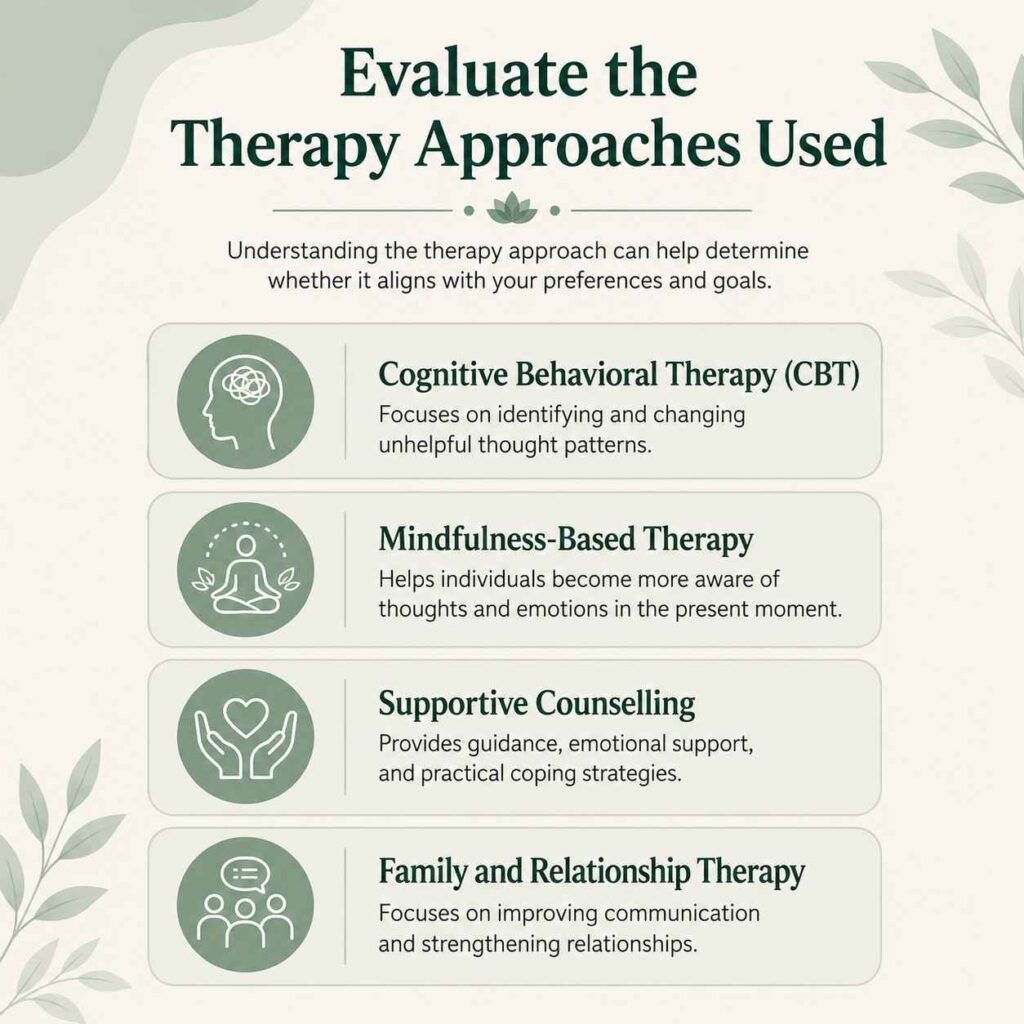
What Therapy Approaches Do You Use?
Learning about treatment methods can help set expectations.
How Long Does Therapy Usually Take?
The duration of therapy varies depending on individual needs and goals.
What Can I Expect During Sessions?
Understanding the therapy process can reduce uncertainty.
Are Sessions Confidential?
Confidentiality is a fundamental part of professional psychological care.
Signs You Have Found the Right Psychologist
It may take a few sessions to determine whether a psychologist is a good fit.
Positive signs include:
- Feeling heard and understood
- Comfortable communication
- Collaborative goal setting
- Professional guidance
- Clear explanations
- Respectful interactions
- Gradual progress toward goals
A strong therapeutic connection often develops over time.
How Therapy Can Support Long-Term Mental Wellness
Therapy is not only for addressing immediate concerns. It can also support long-term personal growth and emotional resilience.
Benefits may include:
- Improved self-awareness
- Better emotional regulation
- Healthier coping strategies
- Stronger relationships
- Increased confidence
- Better decision-making
- Enhanced overall well-being
Professional support can provide valuable tools for navigating future challenges more effectively.
Conclusion
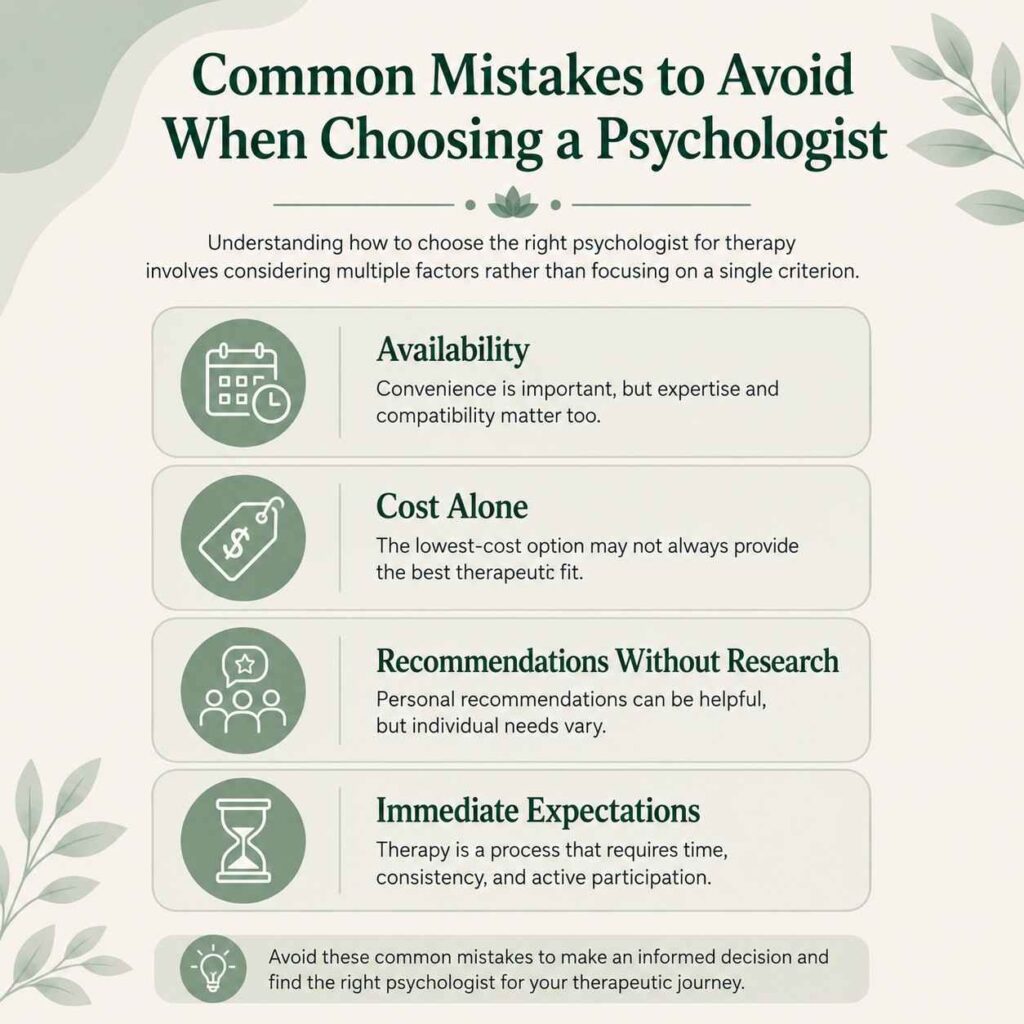
Understanding How to Choose the Right Psychologist for Therapy can make the process of seeking professional support less overwhelming and more effective. By considering factors such as qualifications, experience, therapeutic approach, and personal comfort, individuals can make informed decisions that support their mental health goals.
The right psychologist provides more than professional expertise. They create a safe and supportive environment where individuals can explore challenges, develop coping skills, and work toward lasting emotional well-being. Taking the time to find the right therapeutic fit can be an important investment in your long-term mental wellness.
For additional information about mental health and psychological well-being, visit: World Health Organization Mental Health Resources.